

Angle on Angelenos: Alan Morales, co-founder of Civil Coffee
Big lessons from small businesses on filming in LA

“Stand for something or you will fall for anything. Today’s mighty oak is yesterday’s nut that held its ground.” – Rosa Parks
The Producer Behind Your Coffee: What Alan Morales Taught Me About Value, Origin Stories, and Keeping LA Alive
In this week’s episode of Angle on Producers, we veer from the norm and spotlight Alan Morales, co-founder of Civil Coffee. Given LA’s production crisis, I wanted to hear from a small business owner in Highland Park who sees tons of filming and has thoughts on what producers and the city should know.
Alan’s journey from undocumented to booming business owner isn’t just inspiring, it’s proof that giving immigrants opportunity creates infrastructure entire industries can depend on.
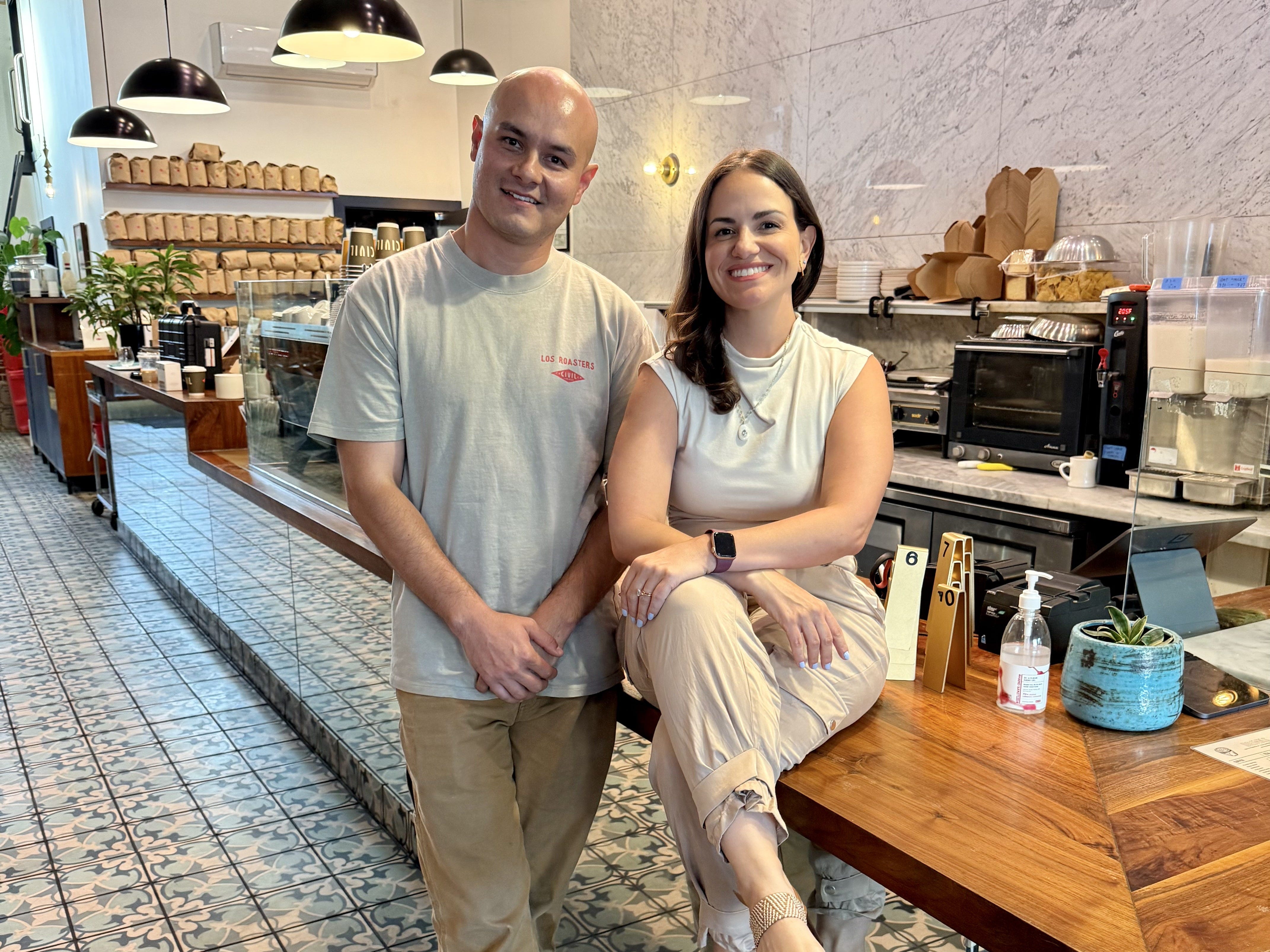
Alan and I met in 2019 when I immersed myself in yoga and specialty coffee to help me through a heartbreak. We bonded over our shared immigrant experiences, our entrepreneurial ambitions, and appreciation for Mezcal. I’m proud to call him a friend and we constantly marvel at the surprising parallels between coffee production and filmmaking. That’s one of the many reasons I invited him on the show.
The Espresso Moment
There’s a moment in every person’s life that changes everything. For Alan, it happened at Intelligentsia in Pasadena. He was an electrical engineering student at Pasadena City College, one course away from graduation, when he ordered his first espresso shot.
“I felt like the room blacked out and it was just me and that coffee. I didn’t know coffee could be like this.”
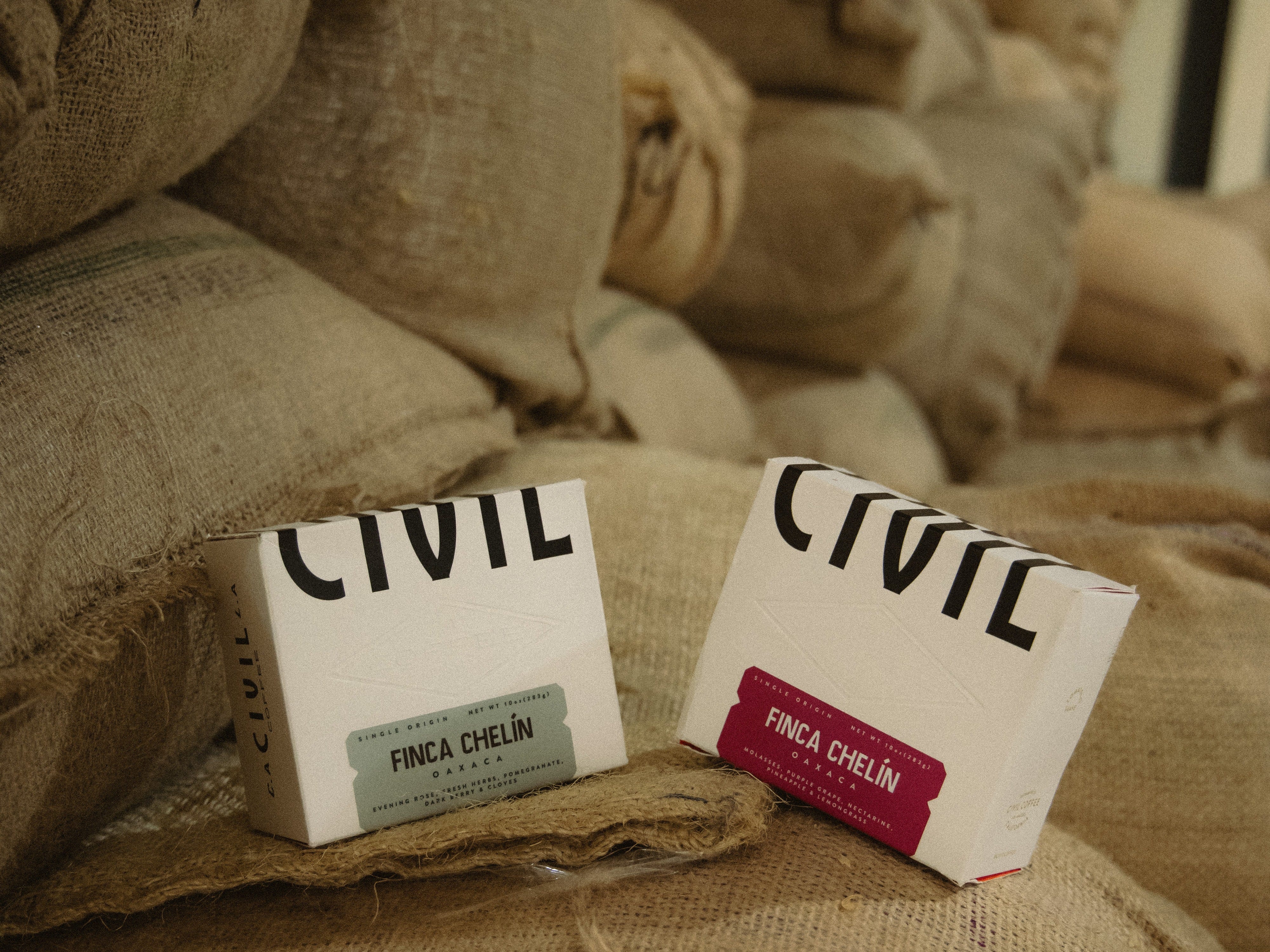
That single espresso set off a chain reaction that would lead Alan to drop out of school, travel to Portland’s coffee mecca, start a mobile coffee cart business, and eventually build Civil Coffee into one of LA’s most beloved specialty coffee companies. Ten years later, Civil operates three locations and now exclusively roasts Mexican coffee beans—a mission that’s as much about honoring origin stories as it is about making great coffee.
Our chat dives into how we value work, who gets credit for finished products, and what happens if LA loses sight of its identity.
The Invisible Work Behind Everything
Alan recently traveled to Oaxaca and witnessed the reality of coffee farming in the Sierras. The parallel to film production hit me hard. How many times have I tried to explain what a producer does, only to see eyes glaze over? Everyone sees the finished film or series. They don’t see the years of development, the impossible logistics, the hundreds of decisions that make the magic look effortless.

Coffee drinkers see a $6 latte. They don’t see the farmer who carried those beans down a mountain. Film audiences see a beautiful location. They don’t see the producer who negotiated with the business owner, managed the neighborhood relations, and ensured everyone got paid fairly.
“There’s such a disconnect at the consumer level from what happens at the origin,” Alan said. He was talking about coffee, but he could have been talking about Hollywood.

Reframing Value
Here’s something I didn’t know: pound for pound, coffee costs almost the same to produce as wine. But we’ve been conditioned to think $6 for coffee is expensive while $20 for a glass of wine is normal.
“Wine marketing has done a great job of explaining why we should pay X amount of dollars,” Alan explained. “Coffee has not. It’s seen as a commodity.”
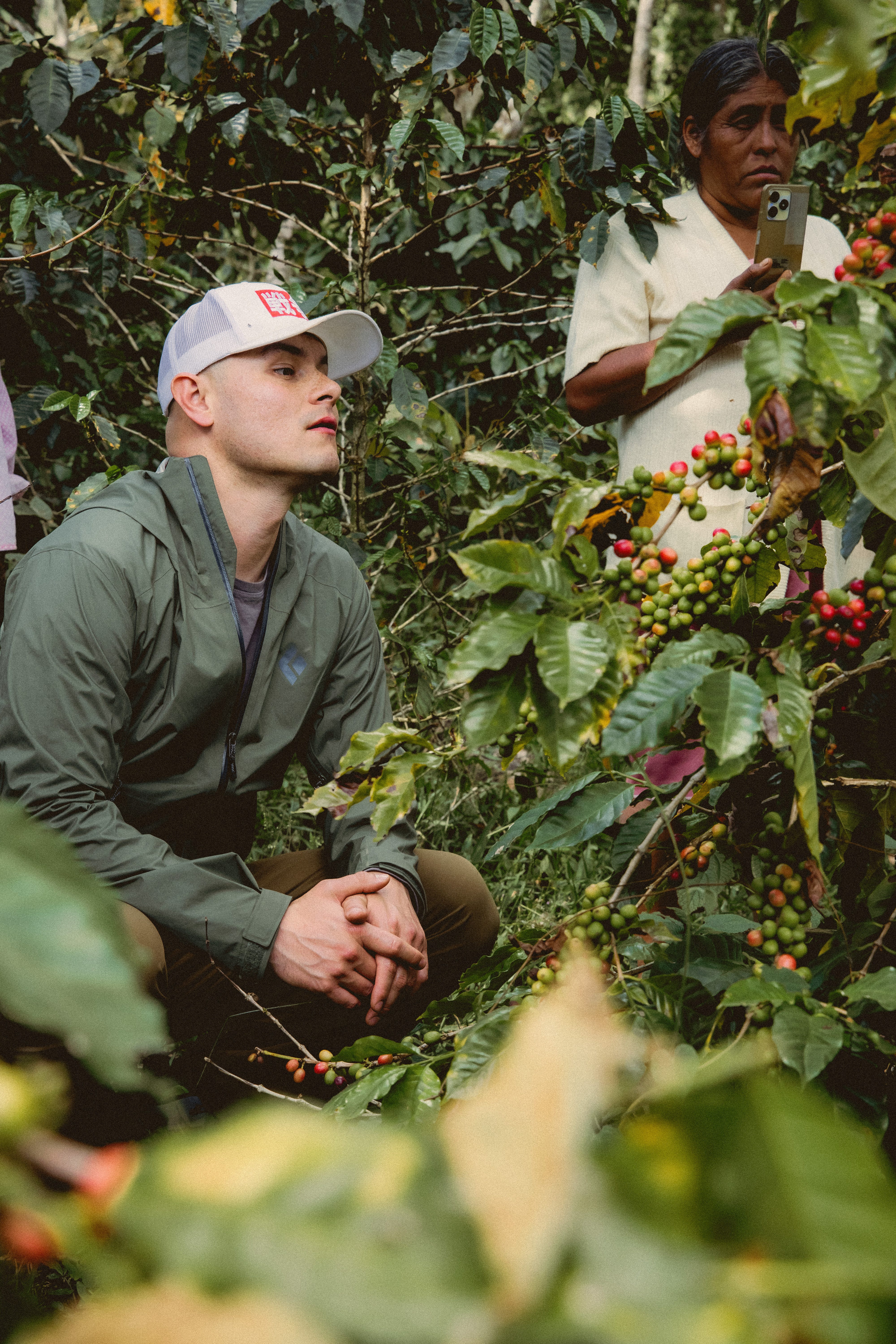
This echoed my ongoing frustration about how a producer’s work is valued. We’re constantly fighting the perception that what we do is lucrative, glamorous, and effortless, when in fact producers are in crisis mode fighting against the dilution of our credit and dwindling fees while trying to build sustainability in this career path.
There’s the assumption that anyone with taste and connections can call themselves a producer (or simply take the title). And yet people are shook when you explain what this life actually entails (and that most of us are middle class, at best.)
But I digress…where were we? Oh, right. Coffee.
The LA Production Crisis from the Ground
As someone who’s been beating the drum about finding ways to keep production in LA, I was eager to hear Alan’s perspective as a small business owner in Highland Park, a neighborhood that’s seen countless productions come through.
“It would be a tremendous shame to lose that badge for LA. People from all over the world come to see whatever they think Hollywood is. This is it.”
He acknowledged the complicated reality we are all facing. Civil regularly gets notices about street closures for productions. Sometimes it’s no big deal. Sometimes it feels like “just another slip” rubbing it in.
The human connection behind each production is the differentiator. Whether it’s a location scout or a producer, it’s important to be part of the community, not just a passenger.
The Extortion Problem
Earlier this year, a good friend of mine shot one of those love-letter-to-LA types of films and shared a nightmare location extortion story. A private business demanded $30,000 to shoot at a location, threatening to pull out Monday morning if the production didn’t wire the money, even after weeks of prep.
This is ludicrous.
I get that some businesses are trying to make up for lost income from the production slowdown. But by gouging the few shows grasping to stay alive out here, they contribute to the very problem that’s driving production away.
It’s a vicious cycle. I’d like to think the only way to break it is with honest communication, mutual understanding of what’s actually fair, and turning the communities impacted by filming from foes into friends.
Maybe a bit too Pollyanna of me? Sure, but a gal can dream.
Alan actually proposed a fascinating solution to location fees that could create a real value exchange for businesses like his. More on that for paid subscribers below.
The Effort Behind Effortless
Alan said something that perfectly captured what we both do:
“It takes a lot of effort to make something look effortless. It takes a lot of experience to make it feel invisible, where you can’t see where the seams are.”
That’s producing. That’s specialty coffee. That’s any craft done well.
The barista makes it look easy: pull the shot, steam the milk, create the art. You don’t see the years of training, the early mornings, the burns, the failed attempts, the continuous education.
The producer makes it look easy: the location is perfect, the schedule works, the budget balances. You don’t see the months of prep, the impossible negotiations, the midnight problem-solving, the constant adaptation.
When it’s going well, you don’t see how it’s going. And that’s exactly the point.
Final Thoughts
This was a special one…an outlier that reminded me why I started this podcast. The best insights don’t always come from industry insiders. Sometimes they come from someone who serves delicious coffee to film crews, who thinks deeply about value chains, who builds community through physical space, and who understands what it means to honor origin stories.
Check out the full episode below for more surprising parallels between our industries.
If you want more, I’m also sharing 5 key takeaways that every producer should consider, especially if you’re thinking about location relationships, fair pricing, or what LA could lose.
Keep creating, keep hustling. And as always, thanks for doing this life thing with me!

